
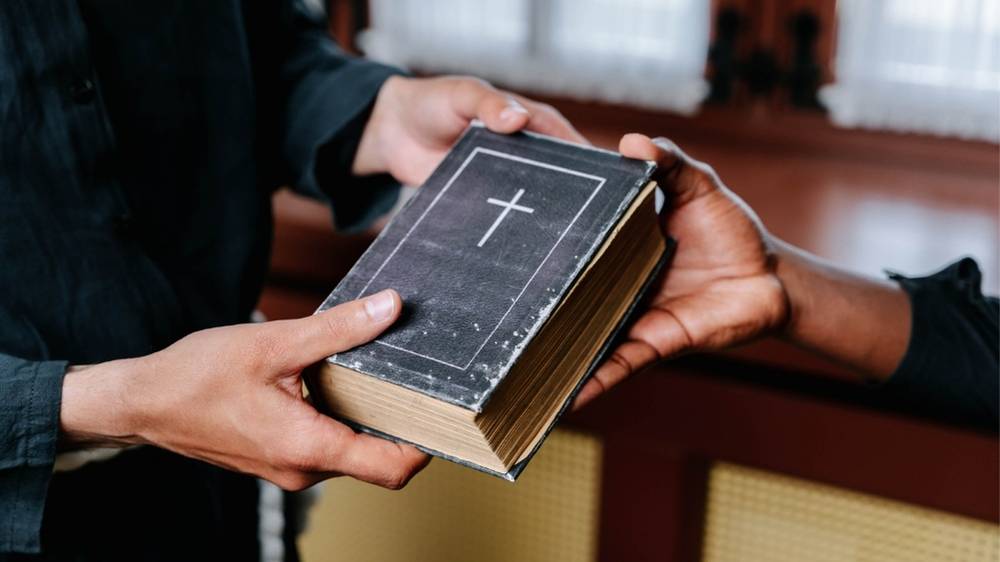
There is something undeniably special about the weight of a book that has already lived a full life. When it comes to sacred texts, this feeling is amplified. For many collectors and readers, the search for used bibles is not merely a quest for a bargain, but a journey to find a volume that carries a sense of history and character. A brand-new Bible, fresh off the printing press with its crisp, white pages and stiff binding, certainly has its place, but it lacks the ‘soul’ that a well-loved, pre-owned edition possesses.
When you hold a Bible that has been through decades of use, you are holding a piece of someone else’s spiritual journey. You might find a pressed flower between the pages of the Psalms, a handwritten family tree in the front matter, or carefully underlined passages that clearly meant the world to a previous owner. These small human touches turn a mass-produced object into a unique heirloom. In an age of digital screens and disposable products, the tactile nature of older books provides a grounding experience that many people find increasingly valuable.
Why older editions often boast better quality
It is a common observation among book collectors that the physical quality of bookmaking has changed significantly over the last century. In the past, Bibles were often produced with a level of craftsmanship that is difficult to find today without paying a significant premium. Many used bibles from the mid-20th century or earlier feature materials that have stood the test of time far better than their modern counterparts.
- Real Leather Bindings: Many older editions used high-quality goatskin or calfskin leather that becomes more supple and beautiful with age, rather than the bonded leather or synthetic materials common in modern budget editions.
- Sewn Bindings: Unlike many modern books that are glued together, older quality Bibles were almost always Smyth-sewn, meaning the pages are stitched into the spine, allowing the book to lie flat and last for generations.
- Paper Quality: Vintage thin-line or ‘India paper’ was designed to be incredibly opaque and durable despite its thinness, reducing the ‘ghosting’ effect where text from the reverse side of the page shows through.
Because of these manufacturing standards, a second-hand Bible from forty or fifty years ago is often in better structural shape than a cheaply made new one after just a few years of use. For the discerning reader, finding these high-quality older printings is one of the main draws of the second-hand market.
Finding specific translations and vintage bindings
The world of biblical translation is constantly evolving, with new versions being released every few years. However, many readers remain deeply attached to specific older translations or particular revisions that may no longer be in print. If you are looking for a specific edition of the Revised Standard Version (RSV) or a particular printing of the King James Version from a defunct publishing house, the second-hand market is your only option.
Collectors often hunt for specific ‘presses.’ For example, older printings from Oxford University Press or Cambridge University Press are highly sought after for their elegant typography and traditional layouts. These editions represent a peak in British publishing history, and for many, the aesthetic experience of reading from such a well-designed page actually aids in contemplation and study. By choosing used bibles, you can access a library of design and translation that the modern high street simply doesn’t stock.
What to check before you make a purchase
If you are new to buying pre-loved books, it helps to know what to look for to ensure you are getting a volume that will last. While some wear and tear adds character, you want to make sure the book is still functional for daily use. Here is a quick checklist for evaluating the condition of second-hand editions:
- The Spine and Hinge: Open the book to the middle. Does the spine feel sturdy, or is the cover starting to pull away from the pages? A ‘cracked’ hinge can be repaired, but it’s good to know the state of it beforehand.
- Page Integrity: Check for any missing pages, especially in the front and back where maps and concordances are located. Also, look for significant water damage which can cause pages to become brittle or mouldy.
- Previous Annotations: Some people love finding notes in the margins, while others prefer a clean text. Decide which you prefer before buying. Some used bibles are heavily ‘highlighted,’ which can be distracting for some readers.
- Odour: Old books can sometimes have a musty smell if they have been stored in damp conditions. While a bit of ‘old book smell’ is normal, a strong scent of damp can be hard to remove.
The sustainable and ethical choice
In today’s world, we are all more conscious of our environmental footprint. The publishing industry, like any other, has an environmental impact through paper production, chemical inks, and global shipping. Opting for used bibles is a fantastic way to practice sustainable consumption. By giving a book a second or third life, you are reducing the demand for new resources and keeping a perfectly functional, often superior, product out of the waste stream.
Furthermore, there is an ethical satisfaction in supporting independent booksellers and charity shops. Many second-hand book dealers are small, family-run businesses or specialists who have a deep knowledge of their inventory. When you buy from them, you are supporting a traditional trade that values knowledge and preservation over mass-market turnover. It is a slower, more intentional way of shopping that matches the reflective nature of the book you are purchasing.
Making sense of the notes in the margins
One of the most fascinating aspects of used bibles is the glimpse they provide into the thoughts of those who came before us. It is not uncommon to find a name and a date on the flyleaf—perhaps a gift for a twenty-first birthday in 1942, or a prize for perfect attendance at Sunday School in the 1950s. These inscriptions connect us to a wider community of faith across time.
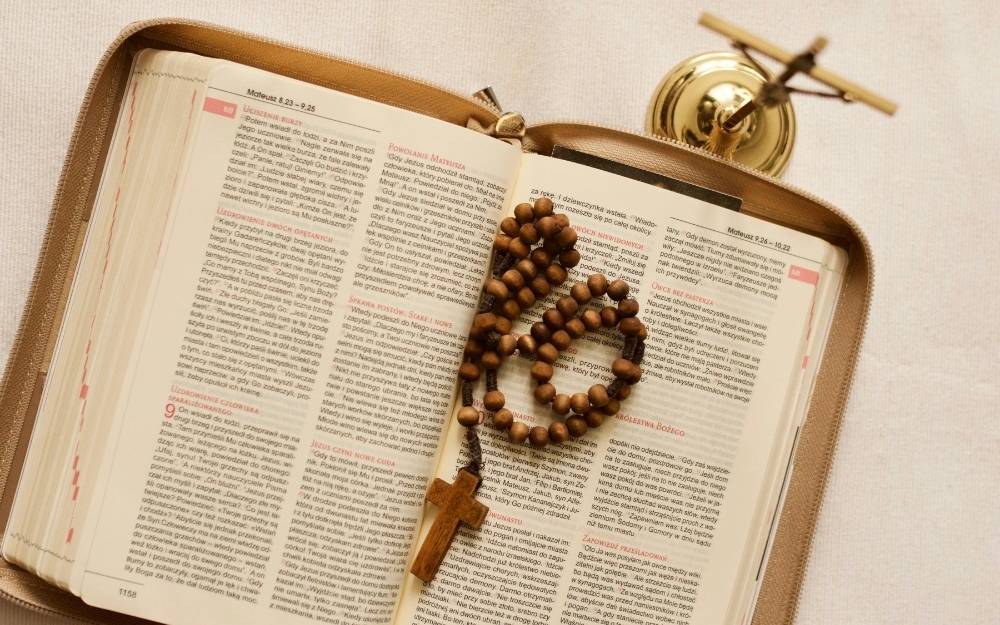
The notes written in the margins can be equally enlightening. Sometimes you will find a cross-reference to another verse that you hadn’t considered, or a brief prayer written next to a particularly comforting passage. These annotations turn the Bible into a conversation. You aren’t just reading the text; you are seeing how that text was applied, wrestled with, and cherished by another human being. For many, this makes the act of reading feel less solitary and more like being part of a long, ongoing tradition of study and reflection.
How to care for your second-hand find
Once you have found the perfect edition, a little bit of care can ensure it lasts for another several decades. Leather bindings benefit from being handled, as the natural oils from your hands help keep the leather supple. However, if the leather feels particularly dry, a small amount of specialised book-binding conditioner can work wonders. Keep your books away from direct sunlight to prevent the spine from fading, and try to store them in a room with a stable temperature to avoid the paper becoming brittle.
Organising your library with these older volumes can also be a joy. Many people find that the varied colours and textures of older bindings look much more attractive on a bookshelf than the uniform look of modern paperbacks. Whether you are a student of theology, a collector of fine bindings, or simply someone looking for a Bible with a bit more history, the world of pre-owned books offers endless possibilities for discovery.